
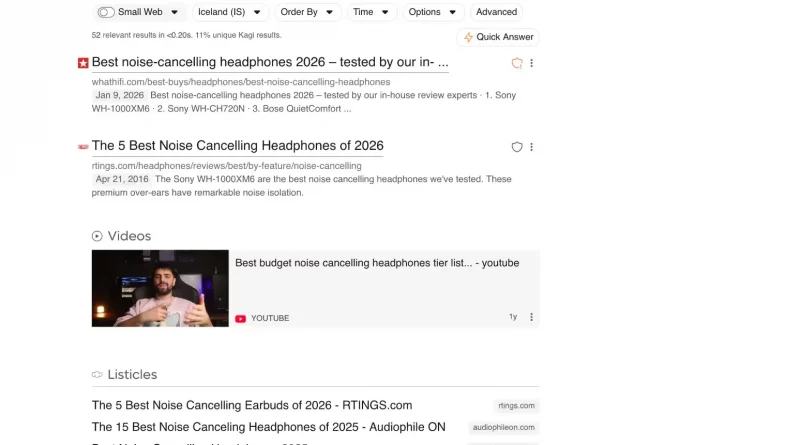
Kagi overview: the paid search alternative that makes sense for research-heavy work
Editorial framing: This is an informed overview based on current official materials and public documentation, not a claim of full hands-on benchmarking.
Kagi makes a simple but still unusual argument: search results improve when the search engine is funded by subscribers instead of ads. Whether or not that sounds radical depends on how frustrated you are with the modern web, but it is a clear position and one worth examining seriously.
The official docs and pricing pages show a product that is trying to build an entire paid-search ecosystem, with tiers for search volume, a privacy-first assistant layer, personalization controls, and a wider mission around reclaiming a less ad-shaped web.
What it is trying to solve
Kagi is aimed at people who search a lot, care about privacy, and are tired of incentives that reward clutter or tracking. Its official messaging leans heavily on relevance, customization, no ads, and a cleaner web experience.
That makes it especially interesting for researchers, writers, developers, and consultants who do enough information gathering that search quality can materially affect the workday.
What makes it interesting right now
The 2026 pricing page adds more clarity around Kagi’s tiers. There is a free trial tier with 100 searches, a Starter tier at $5 per month for 300 searches, a Professional tier at $10 per month for unlimited searches, and an Ultimate tier at $25 per month that adds premium AI assistant access.
That sharper plan structure makes it easier to see the product less as a niche curiosity and more as a deliberate alternative to ad-funded search and separate paid AI subscriptions.
Pricing, platform support, and workflow fit
The pricing only makes sense if search quality matters enough in your life to become a budget line item. For heavy search users, $10 per month for unlimited Professional access is not absurd. For casual users, it may feel like an unnecessary extra bill.
Kagi’s fairness policy around unused months and its emphasis on user funding are part of the pitch, but buyers should still compare that value against their actual search habits rather than against general frustration alone.
Where it may not fit
- Paying for search is still psychologically unusual and will be a hard sell for light users.
- The product’s value depends on sustained daily usage; occasional curiosity is not enough.
- Search quality is partly subjective, so personal workflow fit matters more here than in many app categories.
Who should pay attention
Kagi looks strongest for people whose job or serious hobby already involves lots of deliberate searching and who are open to paying for cleaner incentives.
It is less compelling for users who mainly want a casual search engine and do not care much about privacy, tuning, or AI assistant integration.
Editorial verdict
Kagi makes sense when you treat search as infrastructure rather than as a free public utility. For research-heavy work, that framing is more plausible than it once seemed, and the product is now developed enough to deserve real consideration.