Otter.ai Review 2026: Meeting Transcription and AI Notes That Stick
Verdict: Otter.ai is still a strong default for meeting transcription and AI notes in 2026 if you want a bot that joins Zoom/Teams/Meet and produces searchable transcripts with summaries. Buy Pro for personal volume; Business when unlimited minutes and admin matter. Skip if you only need noise cancellation or already live in a CRM-native recorder.
Best for: Individuals and teams who want automatic notes from recurring video meetings, shared searchable archives, and light AI chat over past conversations.
Not for: Buyers who refuse meeting bots, need heavy multilingual legal-grade accuracy, or primarily want mic noise cancellation (look at Krisp or hardware).
Researched 2026 overview based on public product/pricing pages — not a logged hands-on lab of every feature.
What it is
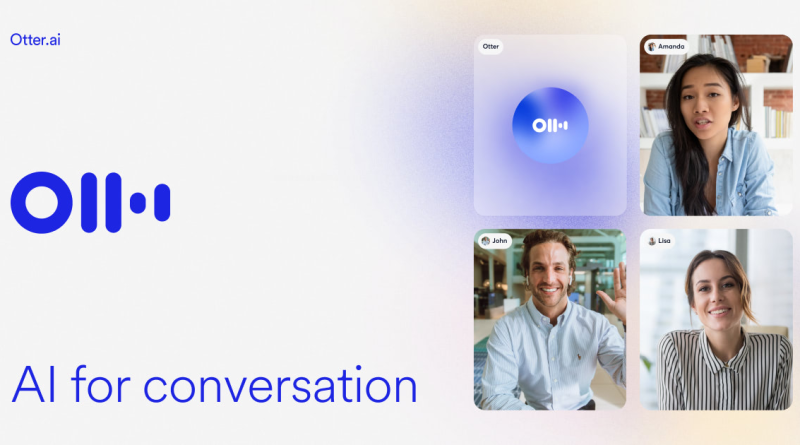
Otter.ai is an AI meeting notetaker: it joins supported video calls (or records in-app), live-transcribes, identifies speakers, and generates summaries and action items. Collaboration features — folders, sharing, comments, exports — turn transcripts into a team archive rather than one-off files.
In 2026 Otter also emphasizes AI meeting workflows, AI Chat across meetings, an MCP server for assistant integrations, and sales-oriented Enterprise add-ons. The core job remains “never leave a meeting without notes.”
Who it’s for
Founders, PMs, sales, customer success, journalists, and students who attend many spoken meetings and hate manual notes. Small teams that need a shared source of truth for “what did we agree?” Larger orgs evaluating Enterprise for SSO/SCIM, HIPAA add-on, and CRM/dialer integrations. Individuals often start on Basic or Pro; teams with heavy calendars graduate to Business for unlimited meeting minutes. Sales-led orgs should also pressure-test Enterprise add-ons (Sales Notetaker, CRM/dialer hooks, HIPAA) against native Zoom/Teams AI Companion before standardizing seats.
Strengths
- Familiar meeting capture: Auto-join for Zoom, Microsoft Teams, and Google Meet reduces “forgot to record” failures.
- Searchable archive: Transcripts, speaker labels, summaries, and AI Chat make past meetings usable.
- Generous free trial-of-habit: Basic’s 300 monthly minutes is enough to evaluate real workflow fit.
- Team features on Business: Unlimited meetings (with per-conversation caps), admin analytics, concurrent joins.
- Ecosystem hooks: Zapier and CRM sync paths on higher tiers; MCP called out for AI-assistant workflows.
- Mobile capture: iOS/Android apps keep hallway and in-person conversations in the same archive as video meetings.
Trade-offs / Limits
- Minute and per-conversation caps on Basic/Pro are real — long workshops burn Pro’s 90-minute meeting ceiling.
- Bot presence can feel awkward; some orgs ban third-party notetakers for privacy/compliance.
- Language coverage is limited versus specialist multilingual transcription vendors — check your language mix.
- Business/Enterprise cost stacks per seat; compare Fireflies, Grain, Notion AI, or native Zoom AI Companion before standardizing.
- File-import allowances differ by plan — heavy podcast/file transcription may need Business or another tool.
Pricing
From Otter’s public pricing page (confirm live): Basic free — 300 transcription minutes/month, 30 minutes max per conversation. Pro about $16.99/user/month monthly or ~$8.33/user/month annual — 1,200 minutes, 90-minute meetings. Business about $30/user/month monthly or ~$19.99 annual — unlimited meetings/in-app recordings (with a 4-hour per-meeting cap on public tables) and stronger admin. Enterprise custom with SSO/SCIM, API/webhooks, and compliance options. Student/teacher discounts appear on .edu flows.
Verdict / Who should buy
Buy Otter Pro if you personally depend on meeting transcripts weekly. Choose Business when the team needs unlimited minutes, concurrent bots, and admin visibility. Stay on Basic to pilot. If your pain is background noise rather than notes, fix audio first (Krisp/headset). If your CRM already embeds recording/AI notes, trial Otter only where the shared archive is clearly better.